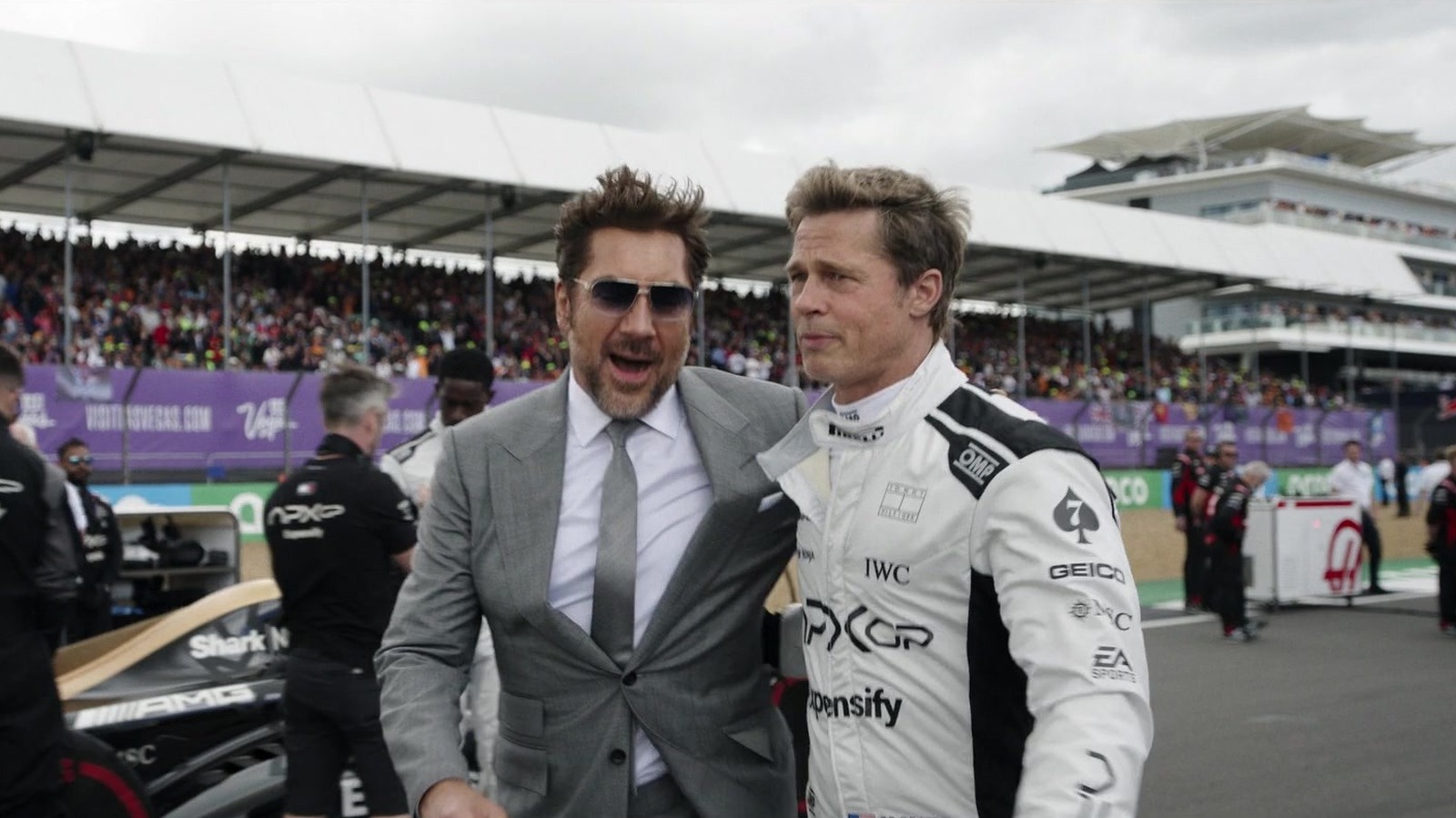
In a recent statement, the director of Formula 1 expressed strong disapproval of the filming techniques used in the Brad Pitt movie, describing them as 'pretty reckless.' The film, which features scenes shot on or near active race tracks, has sparked controversy within the motorsport community and among safety advocates.
The director emphasized that safety protocols were potentially compromised during the production, raising concerns about the risks involved in filming on high-speed circuits. According to sources familiar with the production, some scenes were executed without adequate safety measures, putting both cast and crew at unnecessary danger.
Many fans and industry insiders have voiced their concerns over the methods used, arguing that the dangerous stunts and close proximity to racing vehicles could have resulted in serious accidents. The director's comments highlight the ongoing debate about balancing cinematic spectacle with safety standards in high-risk environments.
Filmmakers often face challenges when trying to capture authentic racing scenes, but critics argue that there are safer ways to achieve cinematic goals without risking lives. The controversy has prompted calls for stricter regulations and oversight when filming in environments with inherent dangers, such as race tracks.
Despite the criticism, the film's production team has defended their approach, stating that all necessary precautions were taken. However, the director's outspoken remarks serve as a reminder of the importance of prioritizing safety over spectacle in the filmmaking industry, especially in contexts involving high-speed motorsports.
This incident underscores the broader issue of safety in stunt work and filming practices, urging both filmmakers and racing organizations to collaborate on establishing clearer guidelines. As the debate continues, the focus remains on ensuring that entertainment does not come at the expense of human safety.